In the ever-evolving urban landscape of the UAE, with its towering high-rises and intricate structures, fire safety remains paramount. A cornerstone of any comprehensive fire protection system is the fire pump. These powerful pumps guarantee sufficient water pressure and flow to sprinklers and standpipes during a critical fire event.
Fire Pump Concerns in the UAE: Addressing Your Needs
Many building owners and managers grapple with a significant concern: ensuring their fire protection systems, including fire pumps, comply with all local codes and regulations. Navigating the complexities of UAE fire safety regulations and technical specifications can be daunting.
Resco: Your Partner in Fire Pump Expertise
Resco emerges as your trusted partner in fire pump solutions, offering a comprehensive fire pump installation service that alleviates your fire safety worries. Our team of highly skilled engineers and technicians provides:
- Expert guidance in selecting the optimal fire pump size and configuration for your building.
- Seamless installation that adheres to all relevant UAE fire codes.
- Streamlined and efficient installation process, minimizing disruption.
- Ongoing maintenance and support to ensure your fire pump’s continued functionality.
Schedule a Free Fire Pump Consultation with Resco Today!
Don’t wait for a fire to test your fire protection system’s preparedness. Contact Resco today to schedule a free consultation. Our experts will assess your building’s specific needs and guide you on the ideal fire pump solution, ensuring your building boasts a properly installed and meticulously maintained fire pump.
A Deep Dive: Fire Pump Installation in the UAE
Now that we’ve addressed your concerns and introduced the Resco advantage, let’s delve deeper into the world of fire pump installation within the UAE context. This guide will explore the crucial factors and steps involved:
Selecting the Right Fire Pump Size
Choosing the appropriate fire pump size is an essential step. A pump that’s undersized won’t deliver enough water pressure to effectively combat a fire. Conversely, an oversized pump translates to wasted money and energy.
Here are some key considerations that influence fire pump size:
- Building size and occupancy: Larger buildings with higher occupancies necessitate larger pumps to deliver adequate water flow.
- Municipal water supply: The available water pressure and flow from the city’s water supply will impact the necessary pump size.
- Sprinkler system demands: The size and complexity of the sprinkler system dictate the water flow requirements.
At Resco, we leverage specialized software to meticulously calculate the optimal fire pump size tailored to your specific building requirements.
Fire Pump Configuration Options
Fire pump systems come in various configurations to cater to diverse needs. Here’s a breakdown of the main types:
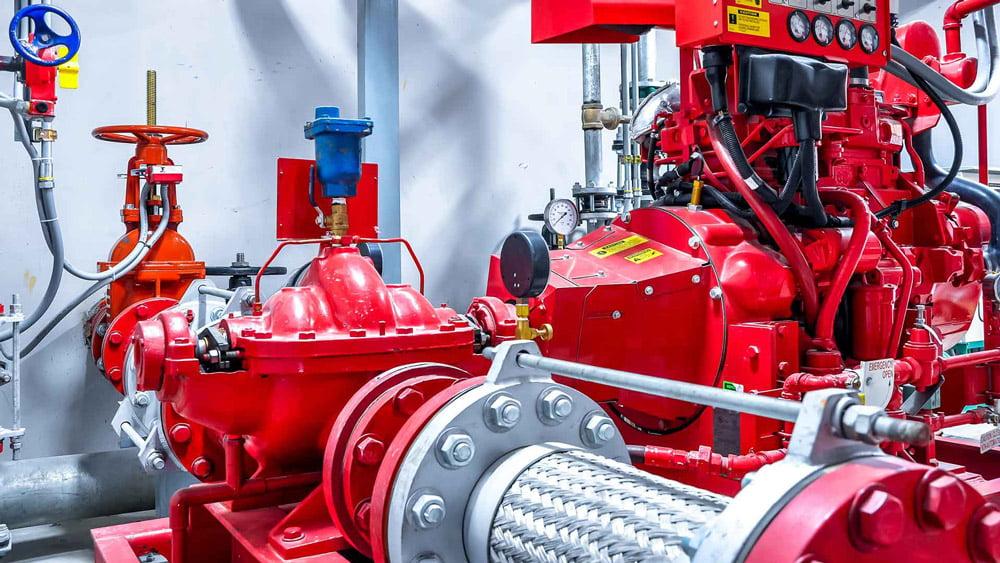
- Single Pump Setup: This is the simplest configuration, featuring a single electric or diesel-powered pump. Suitable for smaller buildings where a single pump can provide sufficient pressure and flow.
- Dual Pump Setup: This configuration incorporates two pumps, typically one electric and one diesel. Provides redundancy in case of a pump failure, ensuring continued operation even during a power outage.
- Variable Speed Pump: This innovative option adjusts its output based on the system’s current water flow demand, optimizing energy efficiency.
Resco’s fire safety experts will help you determine the most suitable fire pump configuration based on your building’s specific requirements and UAE fire safety regulations.
Fire Pump Installation Guidelines: Key Details
Fire pump installation necessitates meticulous attention to technical details. Here are some crucial aspects to guarantee a proper installation:
- Fire Pump Room: The pump room should be readily accessible, well-ventilated, and spacious enough to comfortably accommodate the pump and its components.
- Piping System: The piping system must be designed and installed to withstand the pump’s pressure and flow.
- Valves and Controls: Appropriate valves and controls must be installed to facilitate system operation and maintenance.
- Electrical Wiring: Electrical connections must adhere to all safety standards and comply with UAE fire codes.
Resco employs highly qualified technicians who meticulously follow the most stringent installation guidelines and uphold all relevant UAE fire codes.
Commissioning and Ongoing Maintenance
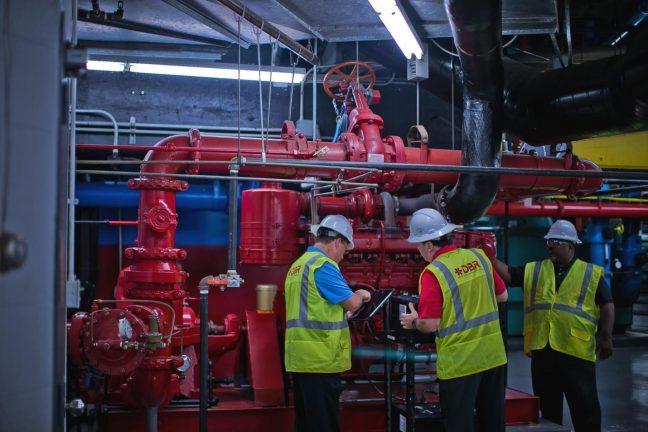
Following fire pump installation, a crucial step is commissioning. This process involves rigorously testing the pump’s functionality and ensuring it operates seamlessly with the entire fire protection system.
Regular maintenance is equally critical. Resco offers comprehensive fire pump maintenance programs that encompass:
- Routine inspections and testing in accordance with local regulations.
- Lubrication and adjustments to maintain optimal performance.
- Training for personnel on emergency response procedures involving the fire pump.
By prioritizing regular maintenance, you can ensure your fire pump is ever-ready to perform flawlessly in an emergency.